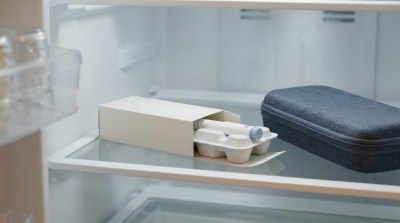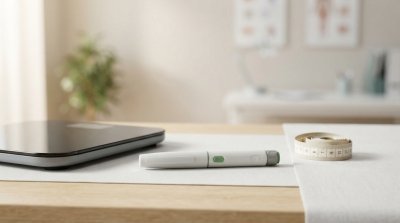

Mounjaro has become widely discussed in relation to weight loss following clinical trial results involving its active ingredient, tirzepatide. However, Mounjaro is a prescription medicine and is not an appropriate weight-loss option for everyone.
Understanding how tirzepatide works, what results have been observed in clinical trials and what risks may be involved is important before considering treatment.
What is Mounjaro?
Mounjaro is a brand name for a medicine containing tirzepatide. It is administered as a subcutaneous injection once a week.
In the United States, Mounjaro is approved to improve blood sugar control in adults with type 2 diabetes. Tirzepatide is also marketed as Zepbound for chronic weight management in eligible patients. Approved indications may differ between countries.
How does tirzepatide work?
Tirzepatide activates receptors for two hormones known as GIP and GLP-1. These pathways are involved in blood glucose regulation, appetite and food intake.
The medicine increases glucose-dependent insulin secretion, reduces glucagon levels and can reduce food intake, helping explain its effects on both blood glucose and body weight.
How can Mounjaro support weight loss?
A major effect of tirzepatide is a reduction in food intake. Some people may feel satisfied after eating smaller portions, which can contribute to a lower calorie intake over time.
Weight-loss results vary considerably. Starting weight, treatment duration, tolerated dose, diet, physical activity and individual health can all influence the outcome.
How much weight can be lost with tirzepatide?
The SURMOUNT-1 clinical trial included 2,539 adults with obesity or overweight and at least one weight-related complication, without diabetes.
At 72 weeks, average body-weight reductions were approximately 15% with 5 mg, 19.5% with 10 mg and 20.9% with 15 mg, compared with approximately 3.1% with placebo.
These figures are clinical trial averages and should not be interpreted as a guarantee of individual results.
When does Mounjaro start working for weight loss?
Some people may notice changes in appetite and food intake early in treatment, but meaningful weight loss should be evaluated over a longer period.
Treatment generally starts at a low dose and is increased gradually according to the prescribed schedule and individual tolerability. The dose should not be increased faster simply to accelerate weight loss.
What are the common side effects?
Common side effects are mainly gastrointestinal and include nausea, diarrhea, decreased appetite, vomiting, constipation, indigestion and abdominal pain.
Other warnings and precautions also apply, so medical history and current medications should be reviewed with a healthcare professional before treatment begins.
Is Mounjaro suitable for everyone?
No. Evidence that tirzepatide can reduce body weight does not mean it is suitable for everyone seeking to lose weight. Eligibility for weight-management medicines depends on medical criteria and individual health factors.
Is Mounjaro enough on its own?
Clinical studies did not evaluate tirzepatide as a replacement for healthy lifestyle habits. In SURMOUNT-1, treatment was combined with lifestyle interventions involving calorie reduction and physical activity.
When medically appropriate, tirzepatide is therefore best considered as one part of a broader long-term weight-management strategy.
Conclusion
Mounjaro contains tirzepatide, a medicine that acts on GIP and GLP-1 receptors and can reduce food intake while improving blood glucose regulation. Clinical trials have shown substantial weight reduction in eligible participants.
Individual results vary, and treatment should be used under medical supervision rather than based on the experience of other users.
Medical notice: This article is intended for general health education and does not replace professional medical advice.