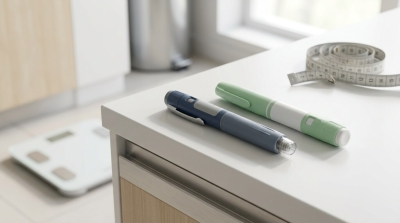

One of the most common questions about Mounjaro is how soon weight loss begins and what results can realistically be expected during treatment.
There is no single answer. The effects of tirzepatide vary according to starting weight, dose, treatment duration, diet, physical activity and individual response. Weight loss should therefore be viewed as a gradual process rather than a change expected within a few days.
When does Mounjaro start working?
Tirzepatide begins acting after treatment starts, and some people may notice changes in appetite or feel satisfied with smaller portions during the early stages.
This does not mean substantial weight loss should be expected during the first week. Treatment generally begins with a low dose and is gradually increased according to the prescribed schedule and individual tolerability.
Can weight loss begin during the first month?
Some people may notice a reduction in weight during the first few weeks, while others need more time before seeing a clear change on the scale.
Starting weight, daily calorie intake, physical activity, tolerated dose, medical conditions and individual response to tirzepatide can all affect the rate of weight loss.
There is therefore no fixed number of kilograms or pounds that everyone should expect to lose during the first month.
How much weight can be lost with tirzepatide?
The SURMOUNT-1 trial included 2,539 adults with obesity or overweight and at least one weight-related complication who did not have diabetes.
After 72 weeks, average body-weight reductions were approximately 15% with 5 mg, 19.5% with 10 mg and 20.9% with 15 mg, compared with approximately 3.1% with placebo.
These percentages are averages from a clinical trial and do not guarantee the same result for every individual.
Why does the rate of weight loss vary?
Two people taking the same dose may experience different results. Appetite may change quickly for one person and more gradually for another.
People also begin treatment at different weights and have different eating habits, activity levels and health conditions. In addition, tirzepatide doses are increased gradually, so results during the early stages may differ from those seen after several months.
Does a higher dose mean faster weight loss?
Not necessarily. Higher doses were associated with greater average weight reduction in clinical studies, but this does not mean reaching the highest dose as quickly as possible is better.
Gradual dose escalation is used to improve tolerability and manage side effects, particularly gastrointestinal symptoms. The dose should not be increased simply to accelerate weight loss without medical supervision.
What if weight loss is slow?
Slow progress during the early stages does not necessarily mean treatment is ineffective. The body may require time to adjust, and dose escalation itself occurs gradually.
If the expected response does not develop over time, or troublesome side effects occur, a healthcare professional should reassess the dose, treatment plan and whether tirzepatide remains appropriate.
How can weight-loss results be supported?
Major tirzepatide studies did not rely on medication alone. In SURMOUNT-1, treatment was combined with lifestyle intervention involving reduced calorie intake and increased physical activity.
Balanced nutrition, regular movement, adequate sleep and medical follow-up therefore remain important parts of long-term weight management.
Conclusion
The effects of Mounjaro and tirzepatide on appetite may appear relatively early, but meaningful weight loss develops gradually over weeks and months.
Clinical trials have demonstrated substantial weight reduction in eligible patients, but both the speed and amount of weight loss vary between individuals. Treatment should not be judged only by the first few weeks, and doses should never be increased without appropriate medical guidance.
Medical notice: This article is for health education and does not replace professional medical advice.